Okay, so check this out—I’ve sent enough DeFi transactions to know that adrenaline rush when you hit « confirm. » Wow! You get that tiny thrill, then your phone buzzes, and sometimes you watch funds vanish into a contract that looked fine, but wasn’t. My instinct said something felt off about one of those contracts weeks before it happened. Seriously? Yep.
At first I thought wallets were mostly about key management. That felt true—until a simulated failing call explained an odd revert that would’ve cost me 0.05 ETH in gas and a lot of headache. Initially I thought a simple gas estimate would cover it, but then realized you need deeper emulation: see state, read return data, and catch subtle reverts or approval traps. Actually, wait—let me rephrase that: a good wallet doesn’t just estimate gas, it runs your transaction against a simulated world and surfaces what would break or unexpectedly transfer tokens.
Here’s the thing. When you interact with smart contracts, you’re not just signing data. You’re authorizing state changes across a machine that doesn’t care about your intent. On one hand, that trustlessness is beautiful. On the other, it’s brutally unforgiving when somethin’ is off—like a param flipped or an approval call that silently grants long-term access to your funds. On the other hand, there are tools that can help you see the whole picture before you send the tx, though actually many wallets still leave you guessing.
Transaction simulation is the safety net that turns guesswork into visibility. Really? Yes. It replays your exact call in a sandboxed environment using current chain state (or a snapshot thereof), then reports success vs revert, gas used, token transfers, internal calls, and often the call stack and error messages if available. Long transactions with multiple internal calls—which are common in DeFi—benefit most, because a single mistaken parameter can route funds somewhere else nested inside the call tree.
Some wallets only show the high-level method name or a decoded call and ask you to trust the icon and text. That bugs me. I prefer seeing a full dry-run. I like seeing the exact token movements and the final balances that would result if this had executed on-chain; it feels like checking your brakes before taking the car out on I‑95. (oh, and by the way…) A real simulation flags risky patterns: approvals to zero-addresses, token approvals without limits, or contracts that self-destruct or forward funds to unknown contracts.
What a good simulation actually gives you
First, a replay result. Short sentence. It tells you whether the tx would revert. Then it lists token flows and internal transfers. Mid-level detail: which tokens moved, to where, and how much gas was consumed. Longer thought: if the simulation also surfaces decoded revert messages or traces, you can see caught require/assert failures and sometimes link them back to parameters you supplied, which is key when you need to adjust inputs without wasting gas.
Advanced wallets also do comparative simulations—showing the difference between your current balance and post‑tx balances—and they can emulate meta-transactions or EIP-712 permits so you’re not surprised by off-chain signatures giving another party power. My experience: when a wallet lets me run the transaction locally against a recent state snapshot, I avoid sending 2 out of 10 potentially costly or dangerous calls. I’m biased, but that’s a huge ROI for the time spent.
There’s also the mempool and MEV angle. Simulations can surface whether an attacker could frontrun or sandwich your trade, though this is probabilistic. Still, seeing slippage outcomes, worst-case price impact, and gas sensitivity gives you tactical choices: split the order, adjust slippage, or postpone. I’m not 100% sure these mitigations are bulletproof, but they raise the cost for adversaries and lower your chance of getting clipped.
Security features go hand-in-hand with simulation. Multi-sig support, hardware wallet integrations, transaction whitelisting, origin isolation, and automatic phishing-detection are all important. The combination matters: a simulator that runs locally on your device and pairs with hardware wallets to sign only after you inspect the simulated outcomes is far more useful than a remote simulator you can’t verify. On the flip side, a cold-storage-only approach can make UX painful for complex contract interactions, so there’s a trade-off.
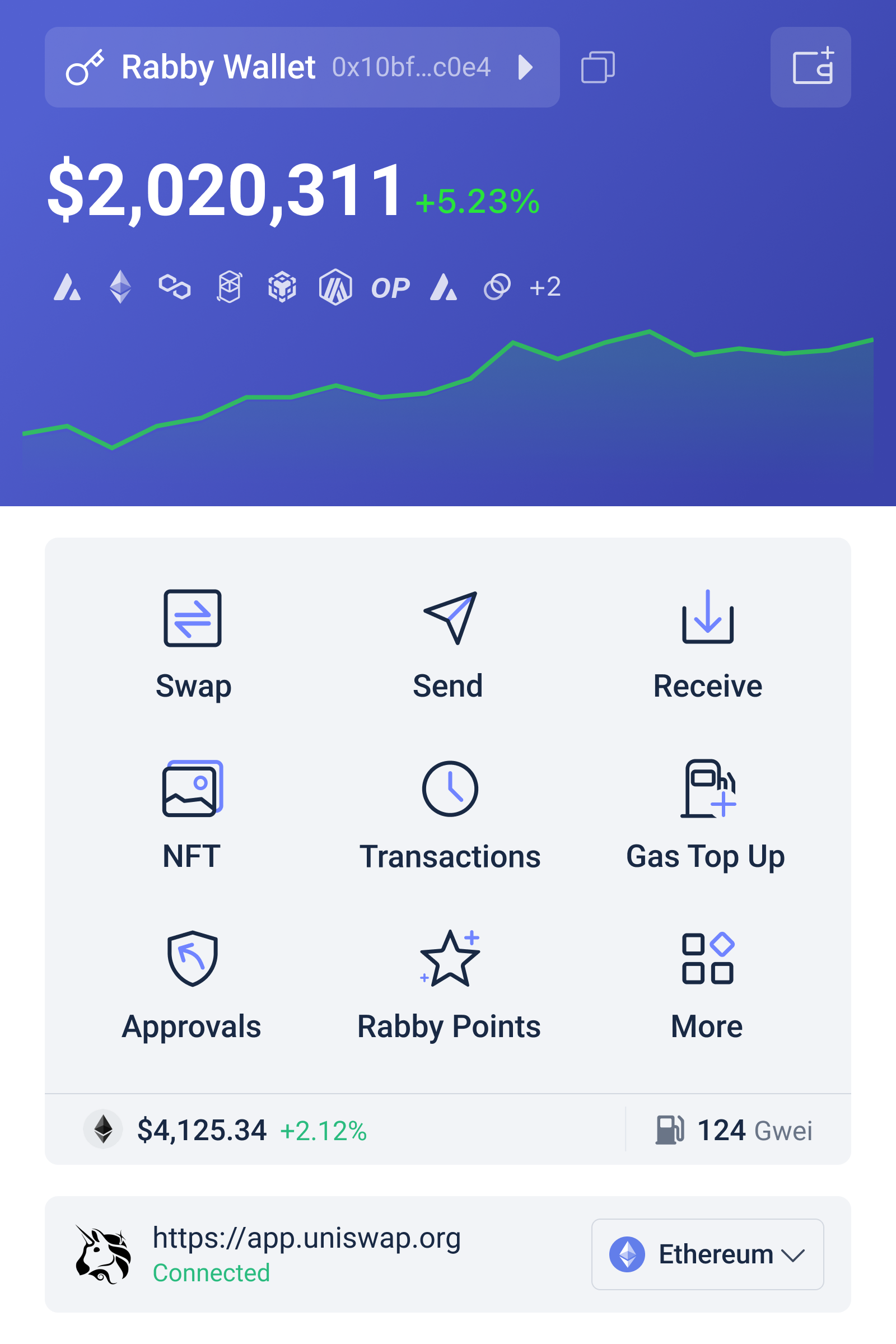
Okay—so what does this look like in practice? I started using rabby because it brought simulation and security controls to the forefront. I like rabby’s transaction previews that show internal transfers and approvals, and the way it surfaces suspicious approval scopes before you sign. It’s not perfect, but it nudges you to think twice about approvals that last forever or involve proxy contracts you don’t recognize.
Another real-world example: a DEX aggregator failure. Initially I thought routing via an aggregator was fine if price slippage tolerances were set. Then a quote re-route sent funds through an obscure token pair and the aggregator call reverted due to a low liquidity pool—gas lost. A prior simulation would have shown the failing internal swap and the eventual revert reason. Long sentence here because there are multiple moving parts and I wanted to explain why seeing the internal swap path matters when liquidity is fragmented across pools.
Don’t ignore basic UX problems either. Short. Many wallets hide nonce management or let you accidentally reuse stale approvals. Medium: good wallets expose nonce controls, let you replace/cancel pending txs, and provide clear permissions dashboards to revoke approvals. Longer thought: without explicit revocation tooling, users accumulate exposure to token approvals across dozens of dApps, which makes the average wallet a juicy target even if each individual app is benign.
There are limits. Simulation depends on RPC providers and node state freshness, and certain on-chain randomness (like block.timestamp or future oracle updates) can produce simulation drift. Initially I thought simulation was a silver bullet. Hmm… not quite. It reduces uncertainty, but it doesn’t eliminate it. You still need a security mindset: least privilege approvals, hardware-backed signing for large sums, and the habit of reading calldata for anything that feels off.
FAQ
Q: How often should I run a simulation before sending a tx?
Run it every time you’re doing more than a basic token transfer. Short trades under a trusted bridge maybe less critical, but for approvals, contract interactions, or large swaps—simulate. If the wallet offers a simulation by default, use it; if not, run the call in a local dev node or use trusted tooling. I’m biased toward always simulating big moves.
Q: Can simulation catch front-running or MEV attacks?
Partially. Simulation shows sensitivity to gas and slippage, and some tools can estimate probability of being sandwiched, but they can’t predict real-time mempool dynamics perfectly. Use simulation to find fragility and then reduce risk by splitting orders, raising gas strategically, or using private relays when necessary.
Q: Is a remote simulation service safe to use?
Remote services help, but they introduce trust boundaries. Prefer simulations that run locally or that you can verify with a reproducible state snapshot. If you must use a remote simulator, ensure it’s from a reputable provider and that it doesn’t require signing anything to run the dry‑run.
Look—I don’t pretend this is foolproof. There are tradeoffs between UX and security, and some chains or L2s have quirks that bump simulation accuracy. But the balance is shifting. Wallets that bake simulation into the signing flow and pair it with sane permission management are becoming essential tools for anyone doing serious DeFi. Something that bugs me: too many users still sign opaque approvals because « it was the only way » or « the UI said approve. » That needs to stop.
So make simulating your reflex. Wow! It saves gas, prevents lost funds, and makes you smarter about risk. Long story short: if your wallet doesn’t show internal calls, token flows, and revert reasons before you sign, then upgrade your workflow. I’m not saying simulation is the only defense, but combined with hardware wallets, multisigs, and a cautious mindset, it massively reduces costly mistakes.
Final thought—don’t rely on a single tool. Use a simulation-friendly wallet, keep hardware for crown-jewel assets, and audit your approvals periodically. My instinct still nags sometimes… and that small nag has stopped at least one dumb mistake yet. Somethin’ to live by: simulate, inspect, then sign.